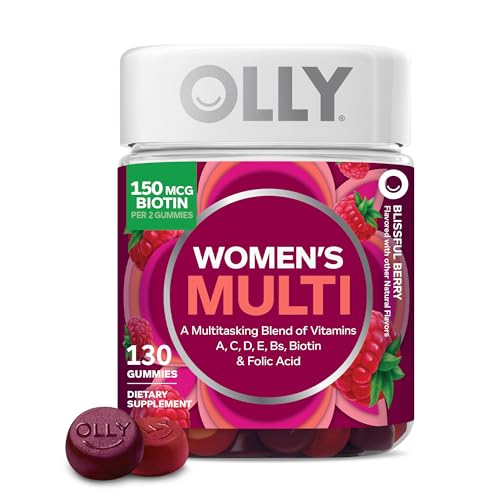
Women’s nutritional needs aren’t just “slightly different” from men – they’re fundamentally shaped by biology, hormones, life stages, and daily demands. Energy, mood, bone strength, immune resilience, and long‑term wellness all depend on vitamins that support how a woman’s body works day to day.
This guide brings everything together: the vitamins women rely on most, why deficiencies happen, how to get them from food, and how to choose supplements that actually make a difference.
Why women have unique nutritional needs
Women experience nutritional pressure points that men simply don’t. Hormonal cycles, pregnancy, postpartum recovery, and menopause all influence how the body uses vitamins. Stress, sleep changes, and busy routines also increase demand for nutrients that support energy and mood.
A few patterns show up consistently: women burn through B‑vitamins faster during stress, vitamin D and calcium become essential protectors as bone density naturally declines, iron and folate needs increase during childbearing years, and omega‑3s support mood, inflammation balance, and long‑term heart health.
Understanding these needs helps women choose vitamins that support real‑world wellness – not just fill a multivitamin checklist.
Key vitamins for women
Vitamin D
Vitamin D is one of the most important vitamins for women’s daily health – and one of the most commonly deficient. It supports immune strength, bone density, mood balance, and hormone regulation. Many women don’t get enough sunlight or dietary vitamin D, making supplementation a simple, high‑impact habit.
B‑complex
B‑vitamins drive energy production, cognitive clarity, and stress resilience. Different B‑vitamins support different needs: B12 for energy and red blood cell production, B6 for mood and hormone balance, B7 (biotin) for hair, skin, and nail strength, B9 (folate) for reproductive health, and B3 (niacin) for metabolic support.
Together, they help women maintain steady energy and mental focus throughout busy days.
Iron
Iron is essential for oxygen transport, energy, and cognitive performance. Women in their reproductive years are more likely to become deficient due to monthly blood loss. Low iron can cause fatigue, weakness, headaches, and difficulty concentrating – all common symptoms that often go overlooked.
Calcium
Calcium supports strong bones, muscle function, and nerve signaling. Women begin losing bone density earlier than men, making calcium – especially when paired with vitamin D and K2 – a long‑term wellness essential.
Omega‑3
Omega‑3 fatty acids support heart health, brain function, mood balance, and a healthy inflammation response. Many women don’t get enough omega‑3s from diet alone, making supplementation a reliable way to support daily wellness.
Common deficiencies in women
Women are more prone to certain deficiencies due to diet patterns, hormonal cycles, and lifestyle factors. The most common include vitamin D (low sunlight exposure, indoor work, winter months), iron (menstruation, pregnancy, postpartum recovery), B12 (low meat intake, vegetarian diets, stress), folate (increased need during childbearing years), omega‑3 (low fish consumption), and calcium (declining bone density with age).
These deficiencies often show up as fatigue, mood changes, hair thinning, weakened immunity, or trouble concentrating – symptoms many women experience without realizing the cause.
Best food sources
Whole foods remain the foundation of women’s nutrition. Key sources include vitamin D from fortified milk, eggs, salmon, and sunlight; B‑vitamins from leafy greens, eggs, legumes, whole grains, and poultry; iron from red meat, spinach, lentils, and pumpkin seeds; calcium from dairy, fortified plant milks, leafy greens, and almonds; and omega‑3s from salmon, sardines, chia seeds, flaxseed, and walnuts.
Food provides a broad nutrient spectrum, but supplements help fill gaps when diet or lifestyle makes it difficult to meet daily needs.
Choosing women’s multivitamins
A women’s multivitamin should support daily energy, immune strength, and long‑term wellness – not overload the body with unnecessary ingredients. Look for formulas that include vitamin D3, a solid B‑complex (especially B12, B6, and folate), iron for premenopausal women, calcium or vitamin K2, and omega‑3s (or take omega‑3 separately).
Avoid multivitamins with excessive fillers, megadoses, or trendy ingredients that don’t support women’s core needs.
Life‑stage adjustments: 20s, 40s, 60s
In your 20s
Focus on energy, mood, and foundational nutrition. B‑complex, iron, and omega‑3s support busy routines, stress, and reproductive health.
In your 40s
Hormonal changes begin, and bone density starts to decline. Vitamin D, calcium, K2, and omega‑3s become essential for long‑term wellness.
In your 60s and beyond
Bone strength, heart health, and cognitive support take priority. Vitamin D3 with K2, calcium, omega‑3s, and B‑vitamins help maintain resilience and vitality.
Final thoughts
Women don’t need dozens of supplements – they need the right ones. A targeted vitamin routine supports energy, mood, immunity, and long‑term health in a way that feels sustainable and practical.
If you’re building a daily wellness plan, start with the essentials: vitamin D, B‑complex, iron when needed, calcium, and omega‑3s. These vitamins form a strong foundation for women at every life stage.